
Uncategorized
What is Foam Made of Foaming Soaps?
Jan
Introduction
Foam is a common element in many everyday products, but when it comes to foaming soaps, it serves a special purpose. You may have noticed how foaming soaps create a thick lather that’s soft and light, making it easy to wash hands and body. But what exactly is foam made of in foaming soaps, and how does it form? Let’s dive deep into the science of foam and explore its ingredients in foaming soaps.
Understanding Foam
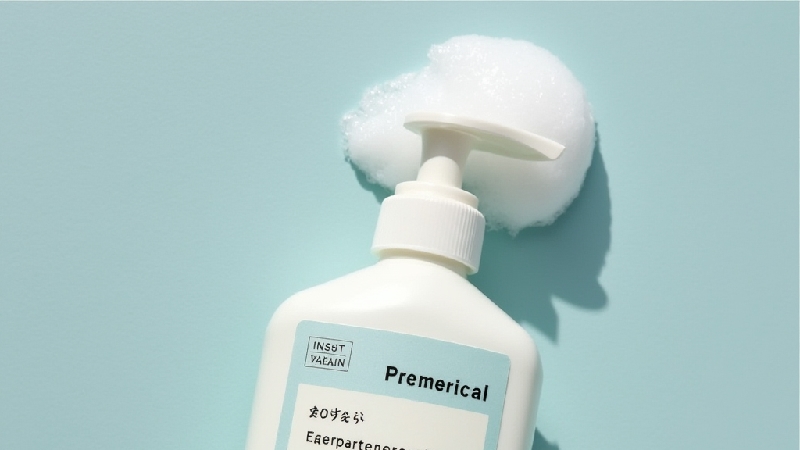
Foam is simply a collection of tiny bubbles that trap air in a liquid. These bubbles form when a liquid is agitated or mixed with air. In foaming soaps, the foam you see is made up of tiny air pockets surrounded by a thin layer of liquid. These air pockets are formed when certain ingredients in the soap interact with water and air in the right way.
The foamy texture in soap is not just for show. It helps the soap to spread more easily on the skin and aids in the cleansing process. The bubbles in the foam lift dirt, oil, and other impurities from your skin, making it easier to rinse them off. But to understand how foam forms, we need to look at the specific ingredients that make it possible.
Key Ingredients in Foaming Soaps That Create Foam
- Surfactants (Cleansing Agents)
The main ingredient responsible for creating foam in soaps is a type of compound called surfactants. Surfactants have a unique structure. They have one part that is water-loving (hydrophilic) and another part that is oil-loving (lipophilic). This allows them to interact with both water and oil, making it easier to break up dirt, oil, and other grime on your skin. Surfactants trap air in between their molecules, which leads to the formation of foam.
Common surfactants used in foaming soaps include:
- Sodium Lauryl Sulfate (SLS): A common surfactant that helps create a rich foam.
- Sodium Coco-Sulfate: A gentler alternative derived from coconut oil, often used in more natural soaps.
- Cocamidopropyl Betaine: A milder surfactant derived from coconut oil, it also contributes to foam production and enhances the skin feel.
Water
Water plays a vital role in the formation of foam. It dissolves the surfactants and helps them mix with air, leading to the creation of bubbles. In foaming soaps, water is the main medium in which the surfactants and other ingredients are dissolved. Without water, the foam would not form effectively, and the soap would be much harder to spread on your skin.
Air
As the soap is pumped or dispensed, air is introduced into the mixture, forming tiny bubbles. The foam in foaming soaps is actually made up of a collection of these bubbles, all surrounded by a layer of soap solution. This is why foaming soaps are so effective at cleaning—they are designed to trap air in small bubbles that can lift dirt from your skin and wash it away.
Stabilizers
To keep the foam intact and prevent it from collapsing too quickly, stabilizers are often added to foaming soaps. These ingredients help create a long-lasting foam that doesn’t dissolve immediately after use. Stabilizers ensure that the foam is dense enough to effectively clean the skin and make the soap easier to use. Common stabilizers include glycerin and xanthan gum, which help to thicken the liquid and provide a smoother lather.
Thickeners
Thickeners are added to the soap formula to give the liquid a consistency that is easy to foam. While they don’t directly contribute to the foam itself, they help control the texture of the soap, making it easier to pump and apply. Thickeners like guar gum or cellulose can make the soap feel more luxurious and help create a foam that is fluffy and soft.
How Foaming Soaps Create Foam
When you pump foaming soap, a pump dispenser forces the soap through a fine mesh or screen. As the soap is pushed through, air is trapped inside the soap, creating tiny bubbles that form the foam. These bubbles are surrounded by soap molecules, which makes them stable enough to form a thick lather. The consistency of the foam depends on the amount of air trapped and how well the surfactants are mixed with water.
The air trapped in the foam helps lift dirt and oil from your skin, which makes washing hands or your body a lot more effective. The foam allows you to spread the soap more evenly, so every part of your skin gets cleaned.
The Benefits of Foam in Soaps
Improved Application
Foam is light and easy to spread. The bubbles in the foam help cover a large surface area, allowing you to use less product while cleaning more effectively. This can save you money and make your soap last longer.
Gentler on the Skin
The soft and airy nature of foam can be gentler on your skin compared to thicker, gel-like soaps. This makes foaming soaps ideal for people with sensitive skin or children who may find it easier to apply and rinse off.
Faster Rinsing
Foam rinses off quickly and easily, leaving your skin feeling clean and refreshed without any residue. This makes foaming soaps ideal for everyday use, especially in settings like public restrooms or kitchens.
Pleasant Experience
The light, fluffy foam provides a fun and satisfying experience. Many people enjoy using foaming soaps because the foam feels soft and indulgent, making washing hands more enjoyable.
The Role of Foam in Different Types of Soaps
Foam plays a crucial role in various types of soaps, and while the foam itself may appear similar across products, the ingredients that create that foam can differ based on the soap’s intended use. Let’s take a closer look at how foam is utilized in different kinds of soaps:
Hand Soaps
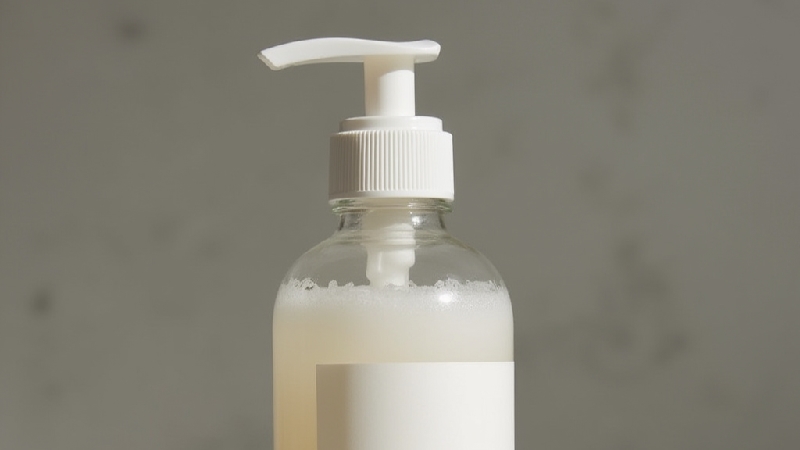
In hand soaps, foam is often created to make the cleaning process more efficient. Since hands come into contact with a variety of surfaces, dirt, and germs, foamy soaps provide a quicker and more even spread, ensuring that all parts of the hands are cleaned properly. The foam’s ability to trap dirt and oil helps remove these particles from the skin’s surface, reducing the risk of contamination. Moreover, the quick rinsing nature of foam ensures that hands are not left with soap residue, offering a cleaner and more comfortable finish.
Face Cleansers
Foaming facial cleansers are formulated to create a gentle lather that is ideal for sensitive skin. The foam allows for a soft, non-abrasive cleansing action, which is important for people with delicate facial skin or conditions such as acne or rosacea. Unlike traditional soap bars or thick gels, foaming face cleansers help maintain the skin’s moisture balance while effectively removing impurities, dirt, and oil without harsh scrubbing. The foam in these cleansers is often lightweight and soothing, offering a pleasant experience without stripping the skin of essential oils.
Body Washes
Foaming body washes are popular for their ability to provide full coverage with a lighter amount of product. The foam is particularly useful for people with larger surface areas, like the body, because it spreads easily and works effectively over a larger area. The light, airy foam helps create a pleasant experience, making it easier to lather up and rinse off quickly. Additionally, many foaming body washes are infused with moisturizing agents, making them ideal for individuals with dry skin, as they don’t leave the skin feeling tight or dehydrated.
Shaving Foams
In shaving foams, the foam not only helps the razor glide smoothly across the skin but also provides a protective layer that softens the hair and reduces friction. This allows for a smoother shave and helps to prevent nicks, cuts, or irritation. The foam in shaving creams is typically thicker and denser compared to other foaming soaps, ensuring it holds up well during the shave process and stays in place long enough for effective use. These foams are often enriched with ingredients like glycerin and aloe vera, which further enhance the skin’s smoothness and hydration.
Baby and Kid-Friendly Soaps
For young children and babies, foaming soaps are an excellent choice. Foam is soft, gentle, and easy to use for little hands. Since children may not be as coordinated with traditional soap bars or thicker liquid soaps, the ease of foam allows them to wash effectively while having fun with the lather. Foaming soaps designed for children often include milder ingredients, ensuring the soap is non-irritating and safe for sensitive skin. The foam makes the washing experience more enjoyable, which can encourage children to develop good hygiene habits early on.
Why Do People Prefer Foam Over Liquid Soaps?
While liquid soaps and gel-based soaps are common, many people prefer foaming soaps because of the numerous benefits foam offers. Here are some of the reasons why foam is often favored:
- Light and Airy Texture: The light, fluffy texture of foam makes it feel luxurious and pleasant. It’s soft and easy to spread across the skin, creating a delightful experience every time you wash.
- Less Soap Usage: Foaming soaps are designed to create a larger volume of lather with a smaller amount of product. This means you get more use out of a single bottle compared to traditional liquid soaps. Since foam helps spread soap evenly, you end up using less, which is not only cost-effective but also reduces waste.
- Quick and Effective Cleaning: Foam makes the cleaning process quicker and more efficient. It spreads across your hands or body easily, ensuring that every area is cleaned in a short amount of time. The foam lifts dirt and impurities effortlessly, leaving you with clean skin in just a few quick motions.
- Hygienic: Many people prefer foaming soaps in public restrooms or shared spaces because they are more hygienic. Since the soap dispenses in a foam form, there is no need to touch the liquid soap dispenser directly, which reduces the spread of germs and bacteria.
Are Foaming Soaps Better for the Environment?
When it comes to sustainability, foaming soaps are often considered a more environmentally friendly option compared to traditional liquid soaps. Here’s why:
- Reduced Water Usage: Because foam spreads more easily, it can reduce the amount of water used during the rinsing process. Additionally, since foam is lighter and covers more surface area, it ensures that less soap is needed to get the job done.
- Less Packaging Waste: Foaming soaps often come in pumps that dispense the exact amount of foam you need. This leads to more controlled usage, reducing the amount of soap needed and, in turn, decreasing the frequency of refills or disposal of packaging.
- Natural Foam Alternatives: Many brands are focusing on creating eco-friendly foaming soaps made with natural ingredients that are biodegradable and free from harmful chemicals. This means you can enjoy the benefits of foam without worrying about impacting the environment.
How to Make Foaming Soap at Home
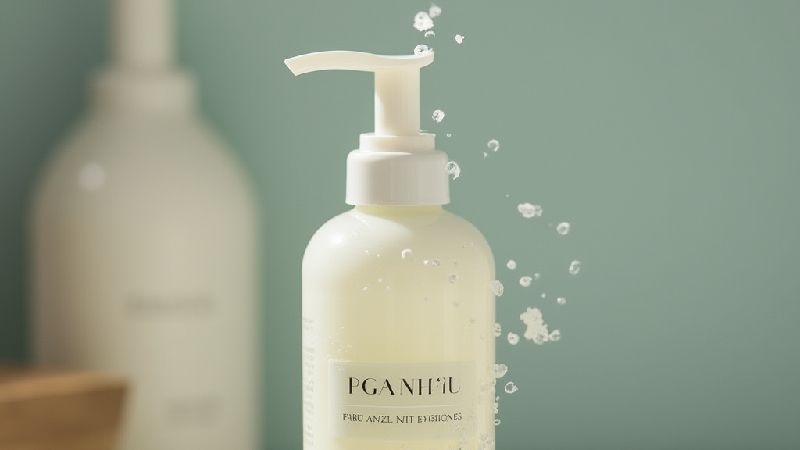
If you love the experience of foaming soap but want to avoid chemicals or prefer a more personalized touch, making your own foaming soap at home is easy. All you need is a simple foaming soap dispenser and a few basic ingredients. Here’s a simple recipe:
Ingredients:
- 1/4 cup of liquid castile soap (a gentle, natural soap)
- 1 cup of water
- 1 tablespoon of oil (optional, for extra moisture; coconut or olive oil works well)
- 10-15 drops of essential oils (optional, for fragrance)
Instructions:
- Pour the liquid castile soap into the foaming soap dispenser.
- Add water to the dispenser, leaving some space at the top.
- If desired, add oil and essential oils for extra moisture and fragrance.
- Secure the lid and shake gently to mix.
- Pump the dispenser to create your homemade foam!
The Future of Foam in Soap Products
As the demand for sustainable, gentle, and effective personal care products grows, the role of foam in soap formulations continues to evolve. The future of foam in soap products is exciting, as both consumers and manufacturers seek new ways to enhance the foam experience while also reducing the environmental impact. Let’s take a look at some emerging trends and innovations in foaming soaps.
Eco-Friendly Foam Solutions
As more consumers become aware of the environmental impact of their purchases, there’s an increasing push towards sustainable packaging and ingredients in foaming soaps. Brands are beginning to use biodegradable surfactants and natural oils to create foaming products that are both effective and gentle on the planet. Some brands are even focusing on refillable dispensers, where you can purchase concentrated soap refills and reuse your original foaming pump, drastically reducing plastic waste.
In addition, we’re seeing the rise of plant-based foaming agents, which are made from renewable resources like coconut and palm oil. These ingredients not only reduce the reliance on petrochemicals but are also often gentler on the skin, making them a popular choice for people with sensitive or dry skin.
Non-Toxic and Chemical-Free Foaming Soaps
Consumers are increasingly looking for products that are free of harmful chemicals such as parabens, sulfates, and phthalates. The future of foam in soaps is heading in the direction of non-toxic, natural formulations that are safe for all skin types, including babies and individuals with sensitive skin. Brands are using natural surfactants like saponin (found in plants) and mild soap bases to create foams that are not only gentle but also non-irritating.
These natural foaming soaps offer a cleaner and more sustainable alternative to traditional chemical-laden soaps. Many of these soaps also use essential oils for fragrance, rather than synthetic perfumes, which can sometimes cause skin irritation.
Increased Customization and Personalization
Another emerging trend is the rise of personalized and customizable foaming soap products. Many companies now allow customers to create their own unique soap blends by choosing specific ingredients based on their skin type, fragrance preferences, or desired benefits. This trend is likely to continue as consumers seek products that meet their individual needs and preferences.
For example, some brands offer foaming soap options that can be customized with ingredients like aloe vera for added moisture, tea tree oil for its antibacterial properties, or lavender oil for relaxation. This growing interest in personalization is driving innovation in the foaming soap market, with more options available for people to create their perfect product.
The Use of Technology in Foam Production
Technology is also playing a larger role in the creation of foaming soaps. Advanced production techniques allow for the creation of foam with specific characteristics, such as thicker or longer-lasting foam. Innovations like micro-encapsulation technology are enabling the delivery of active ingredients (such as vitamins, antioxidants, or hydration agents) directly into the foam, providing enhanced skin benefits with each use.
Foam dispensers are also becoming smarter, with some featuring automatic pumps or sensors that dispense the ideal amount of foam, reducing waste and making the experience more convenient. These dispensers may also include features like temperature control to enhance the user experience or improve the product’s efficacy.
Expanded Product Options
While foaming soaps have traditionally been limited to hand soaps and body washes, the future of foam includes a wide variety of new products. For example, foaming shampoos are becoming more popular, as they offer a lightweight, easy-to-apply solution for hair cleansing. Foaming face cleansers are another growing category, offering a refreshing alternative to traditional creams and gels.
In addition to personal care products, foaming agents are also being used in cleaning products, such as dish soaps, surface cleaners, and laundry detergents. These foams provide the same cleaning effectiveness we’ve come to expect from personal care foams, but in a broader range of household products. This expansion of foam-based products reflects the growing versatility and effectiveness of foam in a variety of applications.
The Impact of Foam on Our Daily Hygiene Routine
Foaming soaps have become an essential part of our daily hygiene routine for good reason. Beyond the luxurious texture and ease of use, foam adds significant benefits to our cleanliness habits. Let’s explore how foam impacts our everyday life in positive ways:
Improved Hygiene Practices
Foaming soaps encourage people to wash their hands and body more thoroughly, which is essential in preventing the spread of germs and bacteria. The ability of foam to spread evenly across the skin, especially in handwashing, ensures that soap covers all areas, making the washing process more effective. Foam has a higher surface area than liquid soap, which increases the soap’s ability to trap dirt, oils, and germs, helping to eliminate them as you rinse.
This is particularly important in environments like schools, hospitals, and public spaces, where hygiene is critical. The foam’s visual appeal makes it easier for people to see where they’ve applied the soap, encouraging them to clean all parts of their hands or body properly. The fun, airy texture of foam also makes it more appealing to children, motivating them to wash their hands more often—a crucial factor in preventing illness transmission in younger populations.
Promoting Eco-Conscious Habits
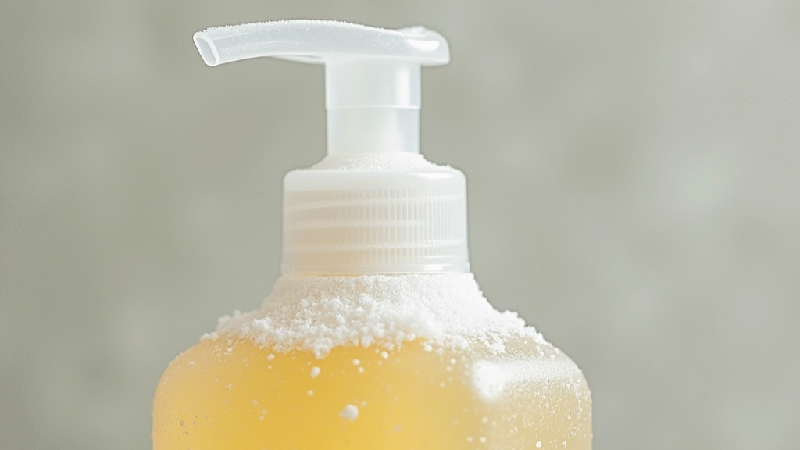
As people become more mindful of their environmental impact, foam has proven to be a great ally in promoting eco-conscious habits. Since foaming soaps are formulated to spread easily, they often require less product per use, helping to reduce the overall amount of soap consumed. This leads to less waste of both soap and packaging, aligning with the growing trend toward sustainability in personal care products.
Foaming soaps also make it easier for people to switch to greener alternatives. With many natural foaming agents and organic ingredients now available on the market, consumers can opt for environmentally friendly options without sacrificing the effectiveness or quality of their cleaning products. With refillable foam dispensers and biodegradable formulas, there’s less plastic waste, making foaming soaps a great option for those trying to reduce their carbon footprint.
Convenience and Efficiency
In our busy lives, convenience plays a key role in how we approach hygiene. Foaming soaps offer a quick and easy solution for effective cleaning. Because foam spreads easily and is light on the skin, it doesn’t require excessive rubbing or scrubbing to create a lather, saving time during the hand-washing process. Whether at home or on the go, the immediate lather makes it easy to rinse off quickly, leaving you with fresh, clean skin in no time.
In settings like gyms, workplaces, and public restrooms, where efficiency is essential, foaming soaps offer a hassle-free option for high-traffic areas. These soaps provide a larger surface area of lather, making them ideal for quick cleaning without the need for large amounts of product or water. This convenience not only ensures that users are cleaning effectively but also helps promote a cleaner environment in these shared spaces.
Gentle on Sensitive Skin
Many foaming soaps are designed with gentle ingredients that are ideal for those with sensitive skin. The light nature of foam means that it’s less likely to irritate the skin compared to traditional liquid soaps or scrubs that may contain harsh chemicals or abrasives. This makes foam an excellent option for people with conditions like eczema, psoriasis, or sensitive skin prone to dryness.
Foaming soaps are typically formulated with moisturizing agents, ensuring that the skin’s natural barrier isn’t compromised during use. Ingredients like glycerin, aloe vera, and chamomile are common in foaming soaps, as they help soothe and hydrate the skin, leaving it soft and nourished. Additionally, foaming soaps are often free from synthetic fragrances and parabens, further reducing the risk of irritation for those with skin sensitivities.
How to Choose the Best Foaming Soap for Your Needs
With so many foaming soap options available on the market today, it can be difficult to choose the right one for your needs. Here are a few factors to consider when selecting a foaming soap:
Skin Type
One of the most important factors to consider is your skin type. If you have sensitive or dry skin, look for foaming soaps that are free from harsh chemicals, artificial fragrances, and alcohol. Opt for natural, hydrating ingredients like shea butter, aloe vera, or essential oils to help nourish and protect the skin.
For those with oily or acne-prone skin, choose a foaming soap with ingredients like tea tree oil or salicylic acid, which can help control excess oil and fight breakouts. Foaming soaps for acne-prone skin often provide a deeper cleanse without being overly abrasive.
Fragrance Preferences
Fragrance is another key consideration when selecting a foaming soap. Some people prefer unscented or lightly scented soaps, especially if they have sensitive skin or allergies. Others may enjoy a refreshing scent like citrus, lavender, or mint. Many foaming soaps now come in a variety of scents, so there’s something for every preference.
If you’re sensitive to strong fragrances, opt for soaps that use natural essential oils rather than synthetic perfumes, as these are gentler on the skin and have a more subtle aroma.
Eco-Friendliness
If sustainability is important to you, look for foaming soaps that are made with eco-friendly ingredients and packaging. Many brands now offer refillable options or use recyclable materials in their packaging, helping to reduce waste. Additionally, check for certifications like “cruelty-free,” “vegan,” or “organic” to ensure the product aligns with your values.
Effectiveness
The main reason you use soap is for its cleaning ability. Make sure the foaming soap you choose effectively removes dirt, oil, and impurities. The consistency of the foam should be thick enough to cover your skin thoroughly, ensuring a complete clean. Also, consider whether the soap helps to hydrate and nourish the skin, especially if you have dry or sensitive skin that needs extra care.
Price and Brand Reputation
Finally, consider the price and reputation of the brand. While it’s tempting to opt for cheaper options, investing in a high-quality foaming soap made from natural ingredients may offer better results and be gentler on your skin. Check reviews or ask for recommendations to find a brand you can trust.
Conclusion: Foam’s Enduring Popularity in Soaps
Foam in soaps is much more than just a fun lather. It is a scientifically engineered solution that enhances the cleaning process, promotes better hygiene, and provides a more enjoyable experience overall. The ease with which foam spreads and lathers, coupled with its ability to trap dirt and oils, makes it a favorite for people worldwide.
From its gentle impact on sensitive skin to its eco-friendly advantages, foam continues to be a powerful component in the personal care industry. As we look ahead, the growth of sustainable and customizable foaming soaps suggests that foam will remain a staple in our hygiene routines. The future of foaming soaps is bright, and with innovation driving improvements in formulation, we can look forward to even more exciting developments in the years to come.
So whether you’re using foam to wash your hands, clean your face, or enjoy a refreshing shower, you can rest assured that foam is working to keep you clean, refreshed, and safe—while making the entire process more enjoyable and efficient. Embrace the future of foam as it continues to evolve, providing both practical and luxurious solutions for all your personal care needs.
You can easily find one of these portable bidets with high quality on Sanixway website. Get one now!
