
Uncategorized
Tips for Maintaining Hand Hygiene After Handling Pets

Jan
Introduction
Handling pets is an enjoyable and rewarding experience, but it also comes with the responsibility of maintaining good hygiene. Pets, while loving and adorable, can carry bacteria, germs, and other microorganisms that can potentially harm humans. Whether you are petting your furry friend, cleaning their toys, or simply picking up after them, it’s essential to take steps to protect yourself from any germs they may have picked up from their environment.
Hand hygiene is one of the most effective ways to prevent the spread of harmful bacteria and viruses. Here are detailed and simple tips for maintaining hand hygiene after handling pets:
Wash Your Hands with Soap and Water
The most effective way to ensure your hands are free from germs after handling pets is to wash them thoroughly with soap and water.
Steps:
- Use warm water: Start by turning on the tap and making sure the water is warm.
- Apply enough soap: Take a good amount of soap and lather it well over your hands.
- Scrub all areas: Rub the front, back, between your fingers, and under your nails for at least 20 seconds.
- Rinse well: Make sure you rinse off all soap to avoid any residue.
- Dry your hands: Use a clean towel or tissue to dry your hands. If available, you can also use a hand dryer.
Washing your hands immediately after handling pets, especially before eating or touching your face, can significantly reduce the risk of transferring bacteria from your pets to yourself.
Use Hand Sanitizer When Water Is Unavailable
In situations where soap and water are not easily accessible, such as when you’re out for a walk with your pet, a hand sanitizer with at least 60% alcohol can help.
How to use it effectively:
- Apply enough sanitizer to cover the entire surface of your hands.
- Rub your hands together, ensuring that the sanitizer is spread evenly and covers all areas, including under your nails.
- Continue rubbing until your hands feel dry.
While hand sanitizers are effective in killing many germs, they may not remove all dirt and grease, so they should only be used when soap and water are not available.
Clean Your Pet’s Accessories
It’s not just your pet that you need to be cautious about – their accessories like leashes, collars, toys, and bedding can also carry germs. Regular cleaning of these items can reduce the number of bacteria they might transfer to your hands.
Tips for cleaning pet accessories:
- Toys: Use a pet-safe disinfectant or warm soapy water to clean your pet’s toys. For rubber toys, check for any visible damage where bacteria could hide.
- Leashes and collars: Wipe down leashes and collars with a disinfectant wipe or wash them with soap and water.
- Bedding: Launder your pet’s bedding and blankets regularly to remove dirt and bacteria. Wash with a mild detergent to avoid irritating your pet’s skin.
Avoid Touching Your Face
After handling pets, it’s crucial to avoid touching your face, especially your eyes, nose, and mouth. Germs and bacteria from your pet’s fur, skin, or environment can easily transfer from your hands to your face, increasing the risk of infections.
If you need to touch your face, make sure to wash your hands thoroughly first.
Keep Pet Areas Clean
Maintain clean living spaces for your pets to reduce the chances of germs spreading. Areas where your pet spends most of their time, such as their bed, crate, or feeding area, should be regularly cleaned to minimize the buildup of dirt and bacteria.
Regularly clean areas like:
- Feeding bowls: Wash your pet’s food and water bowls after every meal.
- Litter boxes or bathroom spots: Clean your pet’s litter box or bathroom spots frequently to avoid germs.
- Pet bedding: As mentioned earlier, regularly launder your pet’s bedding.
Trim Your Pet’s Nails Regularly
Pets often carry dirt and bacteria under their nails. By keeping their nails trimmed, you can reduce the risk of transferring germs when they scratch or play. If your pet is not used to having their nails trimmed, start slow and consider visiting a professional groomer for assistance.
Dry Your Hands After Cleaning Your Pet
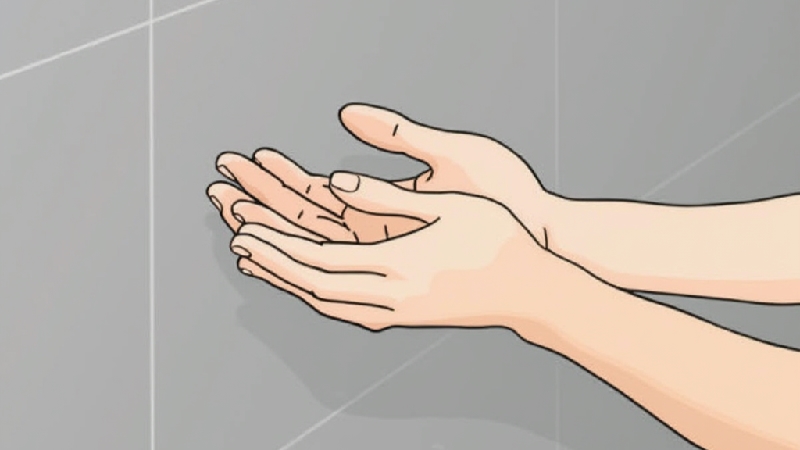
When cleaning your pet or picking up after them, always ensure that you dry your hands thoroughly afterward. Damp hands can attract dirt, bacteria, and germs, making it harder to maintain hygiene. It’s best to use a clean towel or tissue to dry your hands completely.
Clean Your Pet After Outdoor Adventures
If your pet spends time outside, it’s important to clean them before allowing them back inside your home. Outdoor areas can expose your pet to dirt, dust, bacteria, and other contaminants that can easily be transferred to your hands.
Tips:
- Wipe their paws: Use wet wipes or a damp towel to clean your pet’s paws when they come inside.
- Brush their fur: If your pet has long fur, brushing them can remove dirt and loose hair that may carry bacteria.
Teach Your Pet Basic Hygiene Habits
While you can’t control everything your pet encounters, you can teach them basic hygiene habits to minimize potential risks. For example, teaching your pet not to lick their paws excessively can help reduce the spread of bacteria from the ground to their mouth and skin.
Use Gloves if Necessary
If you have to clean up after your pet or handle something particularly dirty, consider wearing disposable gloves. This is especially useful when dealing with waste or when cleaning your pet’s litter box.
Once you’re done, carefully remove the gloves, dispose of them, and wash your hands thoroughly.
Stay On Top of Your Pet’s Health
A healthy pet is less likely to carry harmful bacteria that could make you sick. Make sure your pet is up to date on their vaccinations, flea and tick treatments, and regular veterinary check-ups. A healthy pet is less likely to spread germs to you, helping maintain overall hygiene.
Educate Family Members on Pet Hygiene
It’s important to make sure that everyone in your household understands the importance of maintaining good hand hygiene after handling pets. Educating children, family members, or housemates can help ensure that the habit becomes a part of the daily routine. Children, in particular, may not always think about washing their hands after petting or playing with animals, so setting an example and guiding them to wash their hands regularly can reduce the spread of germs.
Encourage the use of fun reminders, such as stickers near the sink or a checklist on the wall, to help kids remember to wash their hands.
Be Cautious with Handling Animal Waste
When it comes to handling animal waste, extra caution is essential. This includes cleaning up after your pet in the yard or emptying the litter box. Pet waste can contain harmful bacteria, parasites, and other pathogens that pose health risks.
Handling pet waste safely:
- Use gloves: When picking up after your pet, always wear disposable gloves to protect your hands.
- Dispose of waste properly: Make sure to dispose of pet waste in a sealed bag or container to prevent contamination.
- Wash hands immediately: After handling pet waste, wash your hands thoroughly with soap and water, even if you wore gloves.
By practicing these safe methods, you can significantly reduce the chances of handling harmful germs.
Don’t Forget to Clean Your Pet’s Fur
Your pet’s fur can easily collect dust, dirt, and bacteria, which they can then transfer to your hands when you pet them. Regular grooming helps remove this buildup and keeps both your pet and your hands cleaner.
Grooming tips:
- Brush regularly: Brush your pet’s fur often to remove dirt and loose hair, especially if they are allowed outside.
- Bathe as needed: Depending on your pet’s breed and lifestyle, regular bathing is a great way to keep them clean and reduce the risk of transferring germs to your hands.
- Use pet-safe shampoo: Be sure to use shampoos and grooming products specifically designed for pets to avoid irritation or allergic reactions.
Regular grooming not only helps maintain your pet’s health but also contributes to better hygiene for both you and your furry companion.
Encourage Regular Vet Visits for Preventative Care
Routine veterinary visits are crucial for keeping your pet in top health. Pets are often exposed to germs, parasites, and viruses, especially if they spend time outdoors or interact with other animals. Ensuring that your pet has regular check-ups can help spot any potential health issues before they become serious, reducing the chance of your pet carrying harmful bacteria that could be transferred to you.
What to check during vet visits:
- Vaccinations: Make sure your pet is up to date on all vaccinations.
- Parasite control: Ask your vet about treatments for fleas, ticks, and worms, which can carry diseases.
- General health check-up: Regular health assessments can catch infections or other illnesses early.
By staying on top of your pet’s health, you help ensure that both your pet and your family are kept safe from illnesses and germs.
Be Mindful of High-Risk Areas
Certain areas of your home, such as the kitchen, bathrooms, and bedrooms, are more likely to harbor germs. After handling pets, especially if they are not perfectly clean, try to avoid touching surfaces in these high-risk areas before washing your hands. If you do touch something in the kitchen, make sure to disinfect surfaces like counters, tables, and cutting boards afterward.
Cleaning high-risk areas:
- Kitchen: Always clean the surfaces your pet may come in contact with. Use a disinfectant wipe or cleaner to wipe down counters after preparing meals or handling your pet’s food.
- Bathroom: Ensure that any pet-related items in the bathroom, such as their toys or bedding, are cleaned regularly.
By keeping these areas disinfected, you can prevent cross-contamination from pets to food or bathroom fixtures.
Consider the Health Risks of Specific Pet Species
Different pets come with different health risks, so it’s essential to be aware of the potential risks posed by your specific pet. For example, reptiles like turtles and lizards can carry salmonella, while rodents may harbor bacteria like leptospirosis.
If you own an exotic or less common pet, make sure to research any potential health risks and take extra precautions with your hygiene practices after handling them.
Specific tips for handling exotic pets:
- Reptiles: Always wash your hands thoroughly after handling reptiles or cleaning their tanks.
- Rodents: Make sure to clean their cages regularly and wash hands after interacting with them.
- Birds: While birds are generally cleaner, it’s still important to wash your hands after feeding them or cleaning their cages to prevent the spread of potential germs.
Being aware of the specific needs and hygiene risks of your pet can help you maintain the best practices when handling them.
Stay Aware of Potential Allergies and Reactions
Handling pets can sometimes trigger allergic reactions, even if you take great care in maintaining hygiene. Pet dander, saliva, and fur can cause discomfort for people with sensitivities, and these allergens can easily transfer to your hands after petting or interacting with your pet. It’s important to be mindful of any symptoms you or others in your home may experience.
Allergy management tips:
- Wash hands and face immediately: After handling pets, wash your hands thoroughly and wipe your face to reduce the risk of transferring allergens from your pet to sensitive areas like your eyes or nose.
- Keep your home clean: Regular cleaning and vacuuming can help reduce pet dander and fur around the house. Use air purifiers to help filter out allergens.
- Avoid touching sensitive areas: After handling your pet, try to avoid rubbing your eyes or face until your hands are clean, as this can trigger allergic reactions.
By staying proactive about allergies and reactions, you can better protect yourself and others in your home.
Consider Your Pet’s Diet and Health for Cleaner Hygiene
A healthy pet is less likely to spread bacteria or germs. One way to ensure this is by keeping your pet’s diet balanced and nutritious. Just as a human’s immune system depends on good nutrition, so does your pet’s. Feeding your pet a high-quality diet supports their immune system, helping them to fight off any infections or bacteria they may come into contact with.
Healthy diet tips for pets:
- Feed a balanced diet: Consult with your vet to ensure your pet is getting the proper nutrients from their food.
- Hydration: Make sure your pet always has access to clean, fresh water.
- Probiotics and supplements: Ask your vet about adding probiotics or supplements to your pet’s diet to boost their digestive health and immune system.
By providing your pet with the right nutrition and supporting their overall health, you help reduce the risk of any unnecessary hygiene issues.
Set Up a Pet Hygiene Station
If you have multiple pets or frequently handle your pets, consider setting up a dedicated hygiene station near your pet’s common areas. This station can include items like hand sanitizers, disinfecting wipes, and gloves, making it easier for everyone to clean their hands and stay hygienic after interacting with your pets.
What to include in a pet hygiene station:
- Hand soap or sanitizer: Keep a bottle of soap or hand sanitizer close to areas where you interact with your pet.
- Disinfecting wipes: These can be useful for cleaning up surfaces or wiping down pet accessories quickly.
- Disposable gloves: Have a supply of gloves on hand for cleaning up after your pet or handling dirty items.
- Towels: Keep a stack of clean towels for drying your hands after washing or wiping your pet down.
By creating this station, you make it easy and convenient for your entire family to maintain proper hygiene after handling pets.
Train Your Pet to Be Clean
While pets are naturally clean animals, training them to follow good hygiene habits can reduce the amount of dirt and bacteria they bring into your home. Simple training techniques can help your pet develop good habits that will make it easier for you to maintain a clean environment.
Pet training tips:
- Train your pet to wipe their paws: If your pet is used to going outside, you can train them to wipe their paws on a mat before entering the house.
- Create a routine for grooming: Incorporating regular grooming into your pet’s routine can help minimize dirt, bacteria, and fur buildup.
- Provide a designated area: Consider setting up a designated pet area where your pet can eat, sleep, and play. This can help keep germs contained and make cleaning up easier.
With some basic training, you can help your pet develop good hygiene habits that will make it easier for you to maintain a healthy home.
Use Non-Toxic Cleaning Products
When cleaning your home after handling pets, always choose cleaning products that are safe for both you and your pets. Many cleaning products contain harsh chemicals that can be harmful to your pet if ingested or if they come into contact with their skin.
Non-toxic cleaning tips:
- Use natural cleaning products: Look for cleaning products made from natural ingredients like vinegar, baking soda, and essential oils. These are safer for your pets and the environment.
- Pet-safe disinfectants: If you need to disinfect surfaces, opt for products labeled as pet-safe. These are formulated to kill germs while being gentle on your pet’s health.
- Avoid strong chemicals: Strong-smelling chemicals or cleaners can irritate your pet’s respiratory system. Choose mild, fragrance-free options to keep your home fresh without risking their health.
By using pet-friendly cleaning supplies, you can maintain a clean home while keeping your pet safe from harmful chemicals.
Stay Consistent with Hygiene Practices
One of the most important tips for maintaining hand hygiene after handling pets is consistency. It’s easy to forget to wash your hands in the middle of a busy day, but by staying consistent with good hygiene habits, you ensure that you are always keeping yourself and your family protected.
How to stay consistent:
- Make it a routine: Treat handwashing after handling pets as a non-negotiable routine, like brushing your teeth. Make it a habit to wash your hands immediately after playing with or cleaning your pet.
- Set reminders: If you’re prone to forgetting, set a reminder on your phone or keep a checklist to remind you and your family members to wash their hands after interacting with pets.
- Teach children: Teach children from a young age the importance of hygiene after handling pets. Lead by example and reinforce the habit regularly.
Consistency is key when it comes to maintaining proper hygiene, so make sure it becomes second nature in your daily routine.
Conclusion: The Balance Between Enjoying Pets and Prioritizing Hygiene
Handling pets can be an incredibly rewarding experience, but it’s essential to prioritize hygiene to protect both you and your furry friends. By following these simple yet effective tips, you can ensure that your time spent with your pets is safe, healthy, and hygienic.
From regular handwashing and using hand sanitizers to keeping your pet’s environment clean and being mindful of allergens, maintaining proper hygiene after handling pets is crucial. Stay consistent with your hygiene practices and educate those around you about the importance of cleanliness after pet interaction.
By taking these steps, you create a safe, clean, and enjoyable environment for both you and your pets, ensuring many happy years together!
You can easily find one of these portable bidets with high quality on Sanixway website. Get one now!
