
Uncategorized
The Best Hand Hygiene Practices for Campers
Apr
Introduction
When you’re out camping, surrounded by nature, fresh air, and adventure, it’s easy to forget about something as basic as washing your hands. But keeping your hands clean is one of the most important things you can do to stay healthy and enjoy your trip. Whether you’re deep in the woods or staying at a well-equipped campsite, hand hygiene should be one of your top priorities.
In this blog post, we’ll go through the best hand hygiene practices for campers, explain why they matter, and give you practical tips you can use on your next trip.
Why Hand Hygiene Matters While Camping
When you’re camping, you touch a lot of things that can carry germs—dirt, firewood, shared gear, raw food, even the ground. Without clean hands, those germs can easily get into your body when you eat, touch your face, or treat a wound.
Poor hand hygiene while camping can lead to:
- Upset stomach
- Food poisoning
- Infections
- Cold and flu symptoms
- Diarrhea or vomiting
None of these are fun, especially when you’re far from home or a doctor. So let’s go over how campers can stay clean and safe with a few simple habits.
Always Wash Hands Before and After Key Activities
There are a few key moments when campers must clean their hands:
- Before cooking or handling food
- Before eating
- After using the bathroom
- After touching animals, dirt, or trash
- After cleaning or treating wounds
- After setting up or tearing down your tent
Even if your hands don’t look dirty, they can still carry germs. So build the habit of cleaning your hands regularly, especially before eating or preparing food.
Use Clean Water and Soap (When Available)
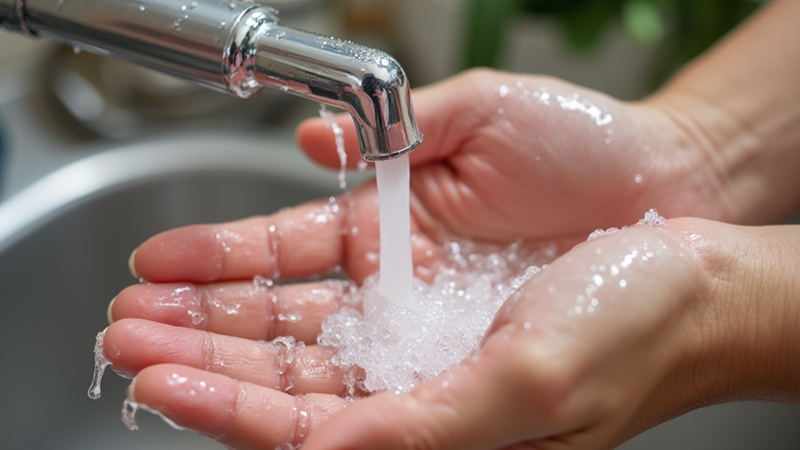
The best way to clean your hands is with soap and clean water. Here’s how to do it right, even in the wild:
How to Wash Your Hands While Camping:
- Find clean water. If it’s from a river or lake, filter or boil it first.
- Wet your hands thoroughly.
- Apply biodegradable soap (important for the environment).
- Scrub your hands, including between fingers, under nails, and the backs of your hands, for at least 20 seconds.
- Rinse with clean water.
- Dry your hands with a clean towel or let them air-dry.
Tip:
Always wash your hands at least 200 feet away from natural water sources to protect lakes and rivers from soap contamination.
Use Hand Sanitizer When Water Isn’t Available
Sometimes you won’t have access to clean water or soap. That’s when hand sanitizer becomes a camper’s best friend.
Choose a hand sanitizer that contains at least 60% alcohol. Keep a small bottle in your backpack and another in your food prep area.
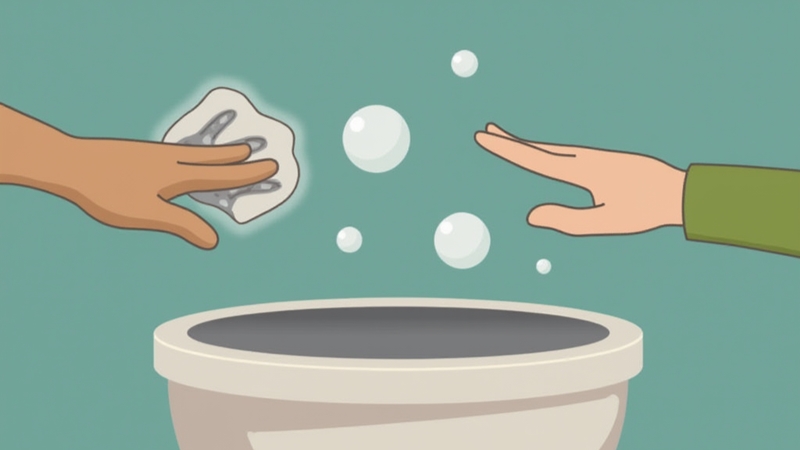
When to Use Hand Sanitizer:
- After using a composting toilet or digging a cat hole
- After touching shared equipment or tools
- Before eating snacks on a hike
- Before putting in or taking out contact lenses
Tip:
Sanitizer is useful but not perfect. If your hands are visibly dirty or greasy, sanitizer won’t work as well. Try to wipe your hands clean first before applying it.
Keep a Hand Washing Station at Camp
Setting up a basic hand washing station makes it easier to keep your hands clean. Here’s how you can make one:
DIY Camp Hand Washing Station:
- One container with a spout (like a large water jug or collapsible water carrier)
- Biodegradable soap
- Paper towels or a clean cloth
- A small trash bag for used towels
Place it near your kitchen or cooking area. This simple setup encourages everyone in your group to wash their hands more often.
Pack the Right Hygiene Supplies
If you plan ahead, you’ll always be ready to keep your hands clean. Here’s what you should pack for every camping trip:
Campers’ Hand Hygiene Checklist:
- Biodegradable hand soap
- At least one bottle of alcohol-based hand sanitizer
- Clean towels or paper towels
- Water filter or purification tablets
- Extra water containers (for hand washing only)
- Moist towelettes or baby wipes (for quick clean-ups)
- A small trash bag for dirty wipes or towels
Teach Kids and New Campers About Hand Hygiene
If you’re camping with children or people new to the outdoors, take the time to teach them about hand hygiene. Kids love playing in the dirt, but they need to understand when it’s time to clean up. Make it fun—sing songs while washing hands or turn it into a group habit before meals.
Be Mindful of the Environment
While keeping yourself clean, it’s important not to harm the nature you’re enjoying. Follow Leave No Trace principles:
- Use biodegradable soap
- Wash your hands far from streams, lakes, and rivers
- Pack out all used wipes and paper towels
- Never dump dirty water into natural water sources
Clean hands and a clean campsite go hand-in-hand.
Bonus Tips for Better Hand Hygiene on the Trail
Even experienced campers can overlook the small things. These bonus tips will help you stay extra clean and safe:
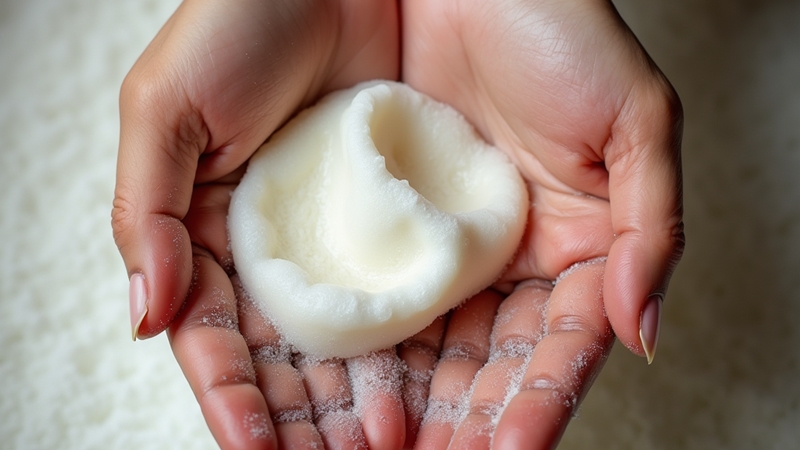
Use a Nail Brush or Toothbrush for Deep Cleaning
Dirt and bacteria often hide under your fingernails. A small nail brush or an old toothbrush can help you scrub under your nails when washing your hands, especially after handling soil or firewood.
Mark a “Clean Zone” in Your Campsite
Designate one area of your site for cooking and eating—and make it a rule that only clean hands are allowed there. This helps reduce cross-contamination from the “dirty” parts of camp like fire pits or gear storage.
Use Gloves When Necessary
If you’re dealing with raw meat, dirty gear, or first aid, consider using disposable gloves. Just remember that gloves can get dirty too, so take them off carefully and still clean your hands afterward.
Hang a Visual Reminder
Place a small sign near your cooking area or hand-washing station with a reminder: “Did you wash your hands?” This simple prompt keeps hygiene top of mind for everyone.
Common Hand Hygiene Mistakes Campers Should Avoid
Let’s face it—we’ve all been a little too relaxed at camp before. Here are some common mistakes that can lead to trouble:
- Skipping hand cleaning because “it’s just a snack”
Even a small piece of food can carry bacteria to your mouth if your hands aren’t clean. - Only using water without soap or sanitizer
Water alone doesn’t remove enough germs. Always pair it with soap or use sanitizer. - Using scented, non-biodegradable soaps
These are bad for the environment and can attract animals. Always go for eco-friendly, scent-free options designed for outdoor use. - Using sanitizer on filthy hands
If your hands are covered in mud, grease, or visible dirt, sanitizer alone won’t work. Wipe or rinse first, then sanitize.
Frequently Asked Questions (FAQs)
Q1: Is hand sanitizer enough while camping?
It depends. Hand sanitizer is great for quick clean-ups, but if your hands are greasy or visibly dirty, you’ll need soap and water. Ideally, use both methods when possible.
Q2: What kind of soap is safe for camping?
Use biodegradable soap, like Dr. Bronner’s or Campsuds. Still, don’t use them directly in lakes or streams—rinse at least 200 feet away from water sources.
Q3: Can baby wipes replace hand washing?
Baby wipes are helpful when you’re in a tight spot, but they don’t remove as many germs as soap or sanitizer. Use them as a backup, not your main method.
Q4: How much water should I bring for hand washing?
If you don’t have access to a natural water source, pack an extra 1–2 liters per person per day just for hygiene. You’ll be surprised how much you use when staying clean.
Q5: What’s the easiest hand washing setup for beginners?
Start simple: a 1-gallon water jug with a spout, a bottle of biodegradable soap, some paper towels, and a catch basin or small tub to collect wastewater. That’s all you need to start!
Conclusion: Clean Hands, Happy Campers
Camping is all about adventure, freedom, and connecting with nature—but a bad stomach bug or infection can ruin it all. By following these hand hygiene practices for campers, you protect your health and help your whole group have a safer, more enjoyable experience.
The best part? Staying clean doesn’t have to be complicated. A little preparation, the right supplies, and simple habits go a long way.
So the next time you’re packing for a camping trip, add hand hygiene to your essentials list. Nature may be wild, but your hands don’t have to be!
You can easily find more of our blogs on Sanixway blog section!
