
Uncategorized
How Many Times a Day Should I Use Hand Soap?

Jan
Introduction
Handwashing is a vital part of maintaining personal hygiene and preventing the spread of germs. But how many times a day should you use hand soap? The answer depends on your daily activities, personal habits, and the environments you encounter. In this blog post, we’ll explore the ideal frequency for handwashing with soap, why it matters, and how to balance cleanliness without overdoing it.
Why Handwashing Is Important Every Day
Our hands touch a wide variety of surfaces throughout the day—doorknobs, phones, food, pets, and more. These surfaces often harbor germs, bacteria, and viruses. Washing your hands with soap helps to remove these microorganisms and reduces the chances of getting sick or spreading illnesses to others. The Centers for Disease Control and Prevention (CDC) highlights that proper hand hygiene is one of the most effective ways to stay healthy.
When to Use Hand Soap During the Day
Here are key moments when you should wash your hands using soap:
- After Using the Bathroom
Washing hands after using the restroom is essential to prevent the spread of harmful bacteria like E. coli or viruses that can linger on your hands. - Before and After Meals
Before eating, washing your hands removes dirt and germs that could enter your body with food. After meals, it helps eliminate food particles and grease. - After Sneezing or Coughing
If you sneeze or cough into your hands, use soap to wash away any germs you might have spread. - After Touching Animals
Whether you’re petting your dog or cleaning out a fish tank, handwashing removes pet-related bacteria and allergens. - After Handling Trash
Garbage often contains harmful germs. Always wash your hands thoroughly after taking out the trash or handling waste. - At the End of a Busy Day
Before bedtime, wash your hands to remove germs you may have picked up throughout the day. This is especially important if you’ve been in public spaces or traveling.
How Many Times a Day Is “Too Much”?
While it’s important to wash your hands often, over-washing can strip your skin of natural oils, leading to dryness and irritation. For most people, washing hands 5–10 times a day with soap is sufficient for maintaining good hygiene.
If your hands frequently feel dry, consider these tips:
- Use a Gentle Soap: Opt for moisturizing hand soaps or soaps designed for sensitive skin.
- Apply Lotion: Use hand cream after washing to replenish lost moisture.
- Avoid Overusing Hot Water: Warm water is effective without being as harsh on your skin as hot water.
Adjusting Based on Your Day
Some people may need to wash their hands more often depending on their daily activities:
- Healthcare Workers: If you work in a hospital or clinic, you may need to wash your hands dozens of times a day to maintain a sterile environment.
- Parents and Caregivers: Changing diapers, preparing meals, and managing children often require frequent handwashing.
- Outdoor Workers: Handling soil, tools, or other materials outdoors means more regular cleaning is necessary.

Hand Sanitizer vs. Soap: Which Should You Use?
Hand sanitizer is a convenient alternative when soap and water aren’t available, but it should not replace soap for regular handwashing. Soap is more effective at removing dirt, grease, and certain germs. Use sanitizer when you’re on the go, but wash with soap when you can.
Building a Handwashing Routine for Your Day
Creating a consistent handwashing routine can make it easier to maintain hygiene without overthinking it. Here’s how to integrate handwashing naturally into your day:
- Start Your Day Right
When you wake up, washing your hands is a good first step. Overnight, your hands may collect oils or bacteria from your bedding or face. A quick wash can set a clean tone for the day ahead. - Anchor Handwashing to Daily Tasks
Pair handwashing with activities like preparing meals, feeding pets, or taking care of personal grooming. For example, always wash your hands before brushing your teeth or after applying makeup. - Keep Soap Accessible
Place hand soap in key locations around your home, such as the kitchen, bathroom, and laundry area. This makes it convenient to wash your hands during the day when you need to. - End Your Day with Clean Hands
Before going to bed, make it a habit to wash your hands one last time. This removes any germs or debris you’ve picked up throughout the day, promoting better hygiene as you rest.
Tips for Choosing the Right Hand Soap
The soap you use matters. Not all hand soaps are created equal, and using the wrong one can irritate your skin, especially with frequent washing. Consider the following:
- For Dry Skin: Use soaps with moisturizing ingredients like aloe vera, shea butter, or glycerin.
- For Sensitive Skin: Opt for fragrance-free or hypoallergenic soaps to minimize irritation.
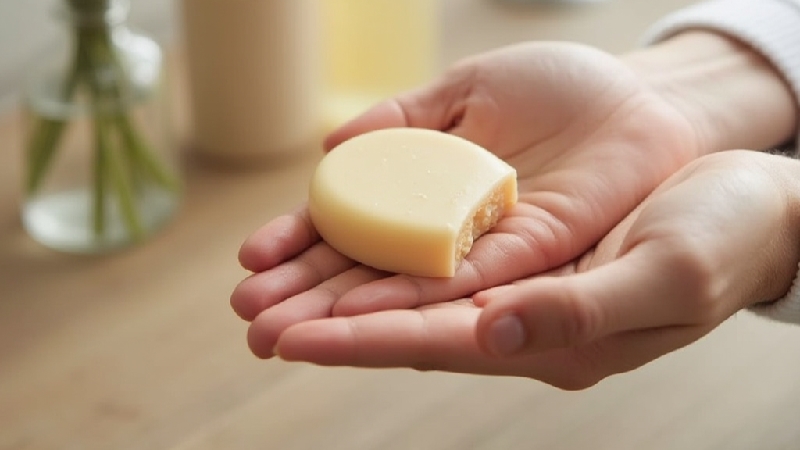
- For Busy Days: Use foam soaps or hand soap tablets for quick lathering and rinsing.
- For Germ Protection: Antibacterial soaps can be useful, but regular soap is often just as effective when used properly.
Handwashing for Children: Teaching Good Habits
Children often need reminders to wash their hands throughout the day. Teaching them proper techniques early on can set them up for a lifetime of good hygiene habits.
- Make It Fun: Sing a song, like “Happy Birthday” twice, to ensure they wash for at least 20 seconds.
- Demonstrate Proper Technique: Show them how to scrub all parts of their hands, including between fingers and under nails.
- Create a Routine: Encourage washing hands before meals, after outdoor play, and after using the bathroom.
Addressing Common Myths About Handwashing
Some misconceptions about handwashing can lead to confusion. Let’s clarify a few:
- Myth 1: Hand sanitizer is better than soap.
- Truth: Soap and water are better at removing dirt, grease, and certain germs. Use sanitizer as a backup.
- Myth 2: You only need to wash when your hands look dirty.
- Truth: Germs aren’t always visible. Wash your hands after key activities, even if they look clean.
- Myth 3: Cold water and soap aren’t effective.
- Truth: Soap works regardless of water temperature, as long as you wash thoroughly.
Frequently Asked Questions About Handwashing
Here are some common questions people have about using hand soap and maintaining proper hygiene throughout the day.
Can I Wash My Hands Too Often?
Yes, washing your hands excessively—more than necessary for hygiene—can strip your skin of natural oils, leading to dryness, cracking, or irritation. Stick to washing at key times during the day, such as after touching dirty surfaces, before eating, and after using the restroom.
How Long Should I Wash My Hands?
The CDC recommends washing your hands for at least 20 seconds. This is enough time to thoroughly clean your palms, fingers, nails, and the backs of your hands. Singing a short song, like “Happy Birthday” twice, can help you time it correctly.
What Should I Do if I Don’t Have Soap and Water?
If soap and water aren’t available, use a hand sanitizer with at least 60% alcohol. However, remember that sanitizer doesn’t remove dirt and grime as effectively as soap, so wash your hands with soap as soon as you can.
Do I Need to Wash My Hands After Wearing Gloves?
Yes. Wearing gloves doesn’t guarantee that your hands are germ-free. Always wash your hands after removing gloves, as germs can transfer when you take them off.
Should I Wash My Hands After Grocery Shopping?
Absolutely! Public spaces, like grocery stores, are full of high-touch surfaces such as shopping carts, baskets, and checkout counters. Washing your hands after returning home is a good practice to remove germs you may have picked up during your day.
What Happens If You Don’t Wash Your Hands Enough?
Neglecting to wash your hands can lead to the spread of germs and illnesses. Here are some potential consequences:
- Increased Risk of Infections: Germs can easily enter your body through your mouth, nose, or eyes if you touch them with unclean hands.
- Food Contamination: Cooking or eating with dirty hands can introduce bacteria to your meals, leading to foodborne illnesses.
- Community Impact: Failing to wash your hands regularly can contribute to the spread of illnesses in shared spaces like schools, offices, and public transport.
Tips for Encouraging Handwashing Throughout the Day
If you have children, roommates, or family members who sometimes forget to wash their hands, here are a few helpful tips to encourage regular handwashing throughout the day:
- Create a Handwashing Chart:
A fun and visual way to track handwashing can motivate children to wash regularly. You can mark off each time they wash their hands, and even offer small rewards for consistent behavior. - Use Fun Soap Dispensers:
Kids (and adults!) are more likely to wash their hands when the soap is easy to use and fun. Opt for dispensers in fun shapes or with colorful designs that add a touch of playfulness to the task. - Set a Timer:
If you’re concerned about the 20-second rule, use a timer or encourage singing a song during washing. This helps ensure you’re washing long enough to get the job done properly without rushing through it. - Lead by Example:
Children are often more likely to follow your example. Wash your hands consistently at key moments during the day and make it a family habit. - Make It Convenient:
Keep soap and handwashing stations accessible in your home or office. Easy access encourages more frequent washing, especially when it’s needed most, like after meals or before handling food.

Handwashing in Different Environments
Where you are during the day can affect how often and how thoroughly you need to wash your hands. Let’s take a look at various environments and how they impact hand hygiene.
At Work
Whether you’re in an office, a retail environment, or working remotely, handwashing is essential.
- Office Spaces: Shared equipment like computers, phones, and kitchen areas are high-touch zones. Wash hands after touching communal items.
- Retail or Foodservice: If you interact with customers or handle food, washing your hands after every task is vital.
- Remote Work: Even though you’re at home, make sure to wash your hands before and after meals, and when moving between spaces like the kitchen, bathroom, and desk.
Public Spaces
Public areas, like malls, parks, and transportation hubs, expose you to many potential germs. Regular handwashing throughout the day is crucial, especially after touching anything others might have handled.
Home Environment
In the comfort of your home, you’re likely to touch items only you use. However, it’s still important to wash your hands when necessary:
- Before Handling Food: Ensure you wash thoroughly to avoid transferring germs to your meals.
- After Cleaning: After handling cleaning products or wiping down surfaces, wash to remove any cleaning chemicals or dirt.
- After Handling Pets: Pets can bring germs into the home, so wash your hands after interacting with them, especially if you’ve touched their food or waste.
The Environmental Impact of Hand Soap
When we wash our hands every day, it’s important to consider the environmental impact of the soap we use. Here are a few tips to make your handwashing routine more eco-friendly:
- Choose Eco-Friendly Soaps: Opt for biodegradable soaps that are free of harsh chemicals.
- Avoid Plastic Packaging: Look for soaps that come in paper or recyclable packaging.
- Use Refillable Containers: Instead of buying bottled soap, purchase refillable options to reduce plastic waste.
By making a conscious effort to choose environmentally friendly options, your handwashing routine can benefit both your health and the planet.
Conclusion: Embrace the Power of Handwashing Throughout Your Day
Handwashing with soap is a simple yet powerful habit that can protect you from illness and keep your environment clean. Understanding when and why to wash your hands, especially at key moments throughout the day, can help you avoid germs and stay healthy.
Whether you wash five times a day or ten, it’s about being mindful of the moments when your hands need cleaning the most. By incorporating handwashing into your daily routine—whether at home, work, or in public—you can keep yourself and others safe while promoting better hygiene habits.
A clean, healthy day starts with clean hands. So, remember to wash up regularly and enjoy the confidence of knowing you’re doing your part to stay healthy!
You can easily find hand soap tablets with some of the best scents on Sanixway website!
