
Uncategorized
The History of Foaming Soap: A Clean Journey Through Time
May
Introduction
Soap is something that we use every day without thinking much about its origins or evolution. From bar soap to liquid soap, and now foaming soap, this simple hygiene product has a rich history. Foaming soap, in particular, is a relatively new innovation that has revolutionized how we wash our hands and clean our skin. But how did foaming soap come into being? Let’s dive into the history of foaming soap and explore its origins, development, and impact on the way we clean ourselves today.
Early Beginnings of Soap: The Ancient Roots
The story of soap dates back to ancient civilizations, where people discovered that combining animal fats with ashes could create a substance that could clean and wash. Archaeologists have found evidence of soap-like substances in ancient Babylon, as far back as 2800 B.C. The Egyptians, Greeks, and Romans also used rudimentary forms of soap. They mixed animal fats with alkaline salts to create a soap-like paste, but it wasn’t anything like the soap we use today.
In ancient times, soap was used mostly for medicinal purposes, as well as for cleaning clothes and materials. It wasn’t until much later, in the Middle Ages, that soap began to be associated with personal hygiene.
The Evolution of Soap: From Bar to Liquid
Over time, soap-making became more refined. By the 16th century, soap was being produced in larger quantities in Europe, especially in France and Italy. The soap we recognize today—bar soap—became more popular during this time. The French city of Marseille, in particular, became known for its soap-making, with soap being made from olive oil and alkali.
By the 19th century, the industrial revolution brought major changes to the soap-making process. Soap began to be mass-produced, and people could afford it more easily. At the same time, soap became more widely used for personal hygiene, especially with the rise of public health campaigns that encouraged cleanliness.
By the 20th century, liquid soap emerged as a more convenient alternative to bar soap. It was especially popular in commercial settings like hotels and hospitals, where it was easier to dispense and could be kept cleaner. However, even liquid soap didn’t offer the same convenience and lathering experience that foaming soap would soon bring.
The Birth of Foaming Soap
The modern era of foaming soap began in the late 20th century, specifically in the 1990s. While the origins of foaming soap can be traced to earlier attempts to create a lathering product, it wasn’t until 1995 that the first commercially successful foaming soap dispenser was introduced. This product came from the company Softsoap, which was known for its liquid soap.
The real breakthrough for foaming soap came when researchers and manufacturers developed a special pump mechanism that mixed soap with air. When you pushed the pump, it would create a thick, foamy lather instead of a liquid stream. This was a game-changer. Not only was it fun and satisfying to use, but the foam also made the soap last longer because it used less liquid per application.
At the time, foaming soap was marketed as a cleaner and more efficient way to wash hands. It used less soap, which made it more cost-effective for both consumers and businesses. The foam also made it easier to distribute soap on your hands, as it spread more evenly and didn’t run off as easily as liquid soap.
Why Did Foaming Soap Become So Popular?
Foaming soap quickly gained popularity for several reasons. First, it provided a more efficient and less wasteful way to use soap. The pump mechanism allowed for controlled dispensation, meaning that less product was needed to wash your hands effectively. This made it a more environmentally friendly choice, as well as a more economical one for both consumers and businesses.
Second, the foam created a more enjoyable and luxurious experience. Many people found that using foaming soap felt like a treat, with the airy lather making hand washing feel softer and smoother than using regular soap. The foam also helped to cover the hands more evenly, ensuring that soap was spread across the skin more effectively.
Lastly, foaming soap became associated with modern, high-tech hygiene products. The design of the foam dispenser, combined with the innovative way it mixed air with soap, gave foaming soap a futuristic and clean image. It was a hit in public restrooms, restaurants, offices, and homes, becoming the go-to soap in places where cleanliness and ease of use were a top priority.
Foaming Soap in the Modern World
Today, foaming soap can be found everywhere—from public bathrooms to kitchen sinks and bathrooms in homes. Many brands now offer foaming soap in a variety of scents, formulations, and even eco-friendly options. Foaming soap is widely used not just for hand washing, but also for body washes and facial cleansers.
The simplicity and efficiency of foaming soap have made it a staple of daily life, and it’s easy to see why. It provides the same cleaning power as traditional soap but with less mess, less waste, and a more enjoyable experience. Plus, the compact dispensers are easy to use and can often be refilled with liquid soap, reducing the need for disposable plastic bottles.
Innovations in Foaming Soap: Beyond the Basics
As we’ve seen, foaming soap’s rise in popularity is largely due to its ease of use and efficiency, but its journey doesn’t end there. Over the past few decades, companies and innovators have continued to push the boundaries of what foaming soap can offer, both in terms of performance and sustainability.
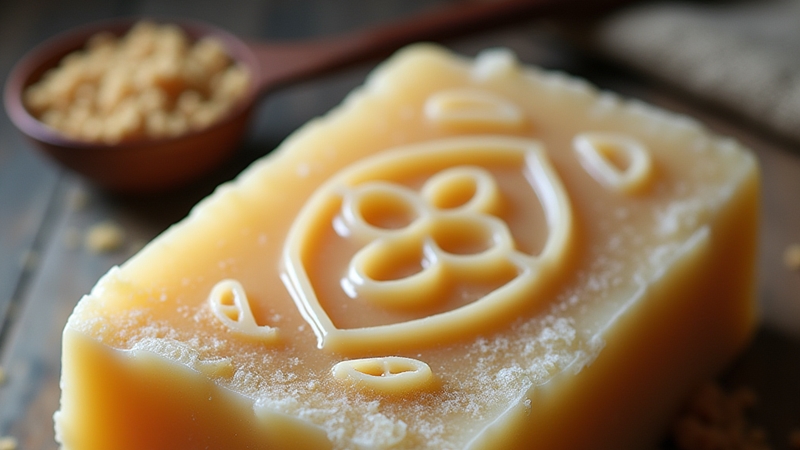
One of the most significant changes has been the focus on natural ingredients. As more people become aware of the environmental and health impacts of synthetic chemicals, many brands have shifted toward plant-based formulas that are free from harsh chemicals, parabens, and artificial fragrances. Natural oils, like coconut oil or olive oil, are often used to create foaming soap that is both effective and gentle on the skin.
Another exciting development has been the rise of eco-friendly and refillable foaming soap dispensers. With plastic waste being a growing concern, many consumers are looking for ways to reduce their environmental footprint. Some companies now offer refill stations in stores, where customers can bring their empty bottles and refill them with their favorite foaming soap, reducing single-use plastic consumption. Furthermore, some brands have designed biodegradable foaming soap packaging, ensuring that even the packaging doesn’t contribute to waste.
The trend toward sustainability also extends to the formulation of foaming soap. Many brands have adopted sustainable practices in sourcing their ingredients, with an emphasis on fair-trade practices and the use of renewable resources. This movement is part of a larger shift toward a more environmentally conscious approach to consumer goods.
The Science Behind Foaming Soap
The magic of foaming soap isn’t just in its fun, airy texture—it’s also in the science that makes it work. To understand how foaming soap works, we need to look at how the soap itself is formulated and dispensed.
At the most basic level, foaming soap is a liquid soap that has been aerated, meaning air is introduced into the soap mixture. This is typically done through a special pump mechanism that forces the soap through a small nozzle, mixing the liquid with air as it comes out. The result is a rich, fluffy foam that’s easier to spread across your hands or body.
One of the key ingredients in foaming soap is a surfactant. Surfactants are compounds that lower the surface tension of a liquid, allowing it to spread more easily. In foaming soap, surfactants help the soap mix with the air to create a stable foam. The more surfactant in the formula, the fluffier and longer-lasting the foam tends to be.
Some foaming soap formulations are designed with extra moisturizing properties, often incorporating ingredients like glycerin or aloe vera. These additions help to keep the skin feeling soft and smooth after washing, preventing dryness that can sometimes be caused by regular soap.
Foaming Soap in Public Spaces: Hygiene at the Forefront
Foaming soap has become a key element in public hygiene practices, especially in places where cleanliness is a priority. Hospitals, restaurants, schools, and offices are just a few examples of environments where foaming soap has become a standard. The spread of germs and bacteria is a major concern in these places, and using foaming soap has proven to be an effective solution.
Foaming soap dispensers are not only easy to use but also offer the added benefit of being more hygienic than bar soap. Traditional bar soap can harbor bacteria on its surface, especially if it is not stored properly. Foaming soap, on the other hand, is dispensed fresh with each use, reducing the chances of cross-contamination.
The rise of touchless dispensers has also made foaming soap even more desirable in public spaces. Touchless dispensers, which use sensors to detect when a person’s hands are nearby, offer a more hygienic alternative to manual pumps. With the touchless technology, people can avoid coming into contact with surfaces that could harbor germs, further promoting hygiene and cleanliness.
The Psychological Impact of Foaming Soap
Believe it or not, foaming soap has a psychological impact that goes beyond its functionality. The experience of using foaming soap is often described as more satisfying than using liquid soap. The fluffy texture of the foam, combined with the ease of spreading it across your hands, creates a sensory experience that is pleasant and enjoyable. In fact, studies have shown that people are more likely to wash their hands for a longer period of time if they are using foaming soap. This is partly because the foam is more fun to use, and people feel more motivated to lather it up for a more thorough clean.
Additionally, the appearance of foaming soap—its smooth, airy texture and light color—has been linked to feelings of cleanliness and freshness. Marketers have long known that the visual appeal of a product can influence consumer behavior, and foaming soap takes full advantage of this principle. The foam gives the impression of being gentle, soft, and effective, which can encourage people to use it more often and for longer periods, leading to better hygiene overall.
The Cultural Impact of Foaming Soap
Beyond its practical uses, foaming soap has also made its mark in pop culture and society at large. With its bubbly, light texture and playful dispensing mechanism, foaming soap has managed to carve out a space in our daily lives that goes beyond basic hygiene.
The advent of foaming soap in public restrooms and commercial spaces has changed the way we perceive cleanliness. Instead of the often sterile or clinical feel of traditional soap dispensers, foaming soap has brought a sense of comfort and ease into these spaces. The simplicity of a well-designed foaming soap dispenser can elevate the experience of washing your hands, turning it into a moment of satisfaction rather than a mundane chore.
This playful, aesthetically pleasing aspect of foaming soap has even led to its popularity in places like home décor and lifestyle blogs. The variety of colors, scents, and eco-friendly options available makes foaming soap an attractive addition to bathroom counters, kitchens, and even guest restrooms. It’s no longer just a cleaning product; it’s become a part of interior design and lifestyle culture, often featured in posts about minimalism or organization.
The popularity of foaming soap has also been boosted by social media, with influencers and content creators showcasing their soap stations or featuring aesthetic bathroom setups. Foaming soap, with its bubbly, whimsical appearance, has become a staple in many “unboxing” or “haul” videos, giving it a fun, almost collectible status among certain groups of consumers.
The Role of Foaming Soap in the Health and Wellness Industry
In recent years, the health and wellness industry has seen a massive surge in interest in natural and non-toxic products, and foaming soap has aligned itself perfectly with these trends. People are more conscious than ever about what they put on their skin, and foaming soap offers a way to indulge in a cleaning ritual without worrying about harsh chemicals.
Brands in the wellness space often highlight their foaming soap’s gentle, plant-based ingredients that cater to sensitive skin types. Many now offer formulations that are not only gentle but are free from synthetic fragrances, parabens, and sulfates. With growing awareness about the environmental impact of the beauty and wellness industry, many foaming soaps are also cruelty-free, vegan, and packaged in recyclable or biodegradable materials.
The wellness trend has also led to a rise in foaming soaps infused with essential oils or herbs known for their therapeutic properties. Lavender, eucalyptus, chamomile, and tea tree oil are some of the popular scents that have become synonymous with relaxation and self-care. For many, the ritual of using foaming soap is no longer just about hygiene—it’s an experience that contributes to their overall well-being.
Foaming Soap in the Age of Smart Homes
As technology continues to evolve, foaming soap is also finding its place in the age of smart homes. With the rise of voice assistants, touchless devices, and IoT (Internet of Things) products, foaming soap dispensers have become part of the smart home revolution. Some modern foaming soap dispensers come with sensors that automatically release the right amount of foam when they detect motion. These dispensers not only ensure hygiene by minimizing direct contact but also contribute to a streamlined, tech-savvy home environment.
Smart dispensers that connect to apps or other smart home devices are becoming increasingly popular. These devices can monitor how much soap you’re using and even notify you when it’s time to refill or replace the dispenser. For tech enthusiasts, this convenience and automation fit well into the larger trend of optimizing every aspect of the home environment for efficiency and ease of use.
Challenges in the Foaming Soap Industry
Despite its widespread success, the foaming soap industry does face some challenges. One of the main issues is the long-term sustainability of foaming soap dispensers and refills. While refillable dispensers are a step in the right direction, the manufacturing of the dispensers themselves still involves plastic, and not all refills are as eco-friendly as they could be.
Another challenge lies in the perception that foaming soap is less “strong” or “effective” than traditional liquid soap. Some people may wonder whether the foam, being lighter and airier, is just as effective at cleaning. However, studies have shown that foam cleans just as effectively as liquid soap, provided the formula includes the right ingredients and is dispensed in the right amount. This challenge is being addressed through increased consumer education and marketing efforts, which highlight the benefits of foaming soap.
Lastly, there’s the issue of market saturation. With so many different brands and variations of foaming soap available, consumers might feel overwhelmed by the choices. This saturation has led some companies to focus on unique formulations or scents that set their product apart from the competition. The challenge here is to maintain innovation while keeping the product accessible and user-friendly for a broad audience.
Looking Ahead: What’s Next for Foaming Soap?
The future of foaming soap is bright, with continued advancements in technology, sustainability, and formulation on the horizon. As concerns about plastic waste and the environmental impact of consumer goods continue to grow, foaming soap manufacturers will likely focus even more on creating eco-friendly, refillable options. Expect to see more biodegradable packaging, concentrated soap refills, and sustainable ingredient sourcing as part of the industry’s evolution.
Moreover, the fusion of technology with everyday products like foaming soap will likely continue to expand. We might see dispensers that not only give you the right amount of foam but also incorporate features such as automatic sanitization, smart reminders for refills, or even customizable foam textures and fragrances based on user preferences.
The role of foaming soap in personal care routines is unlikely to diminish anytime soon, and as it becomes even more integrated into the digital and wellness-driven future, its story will continue to evolve. Whether it’s helping people make handwashing more enjoyable, promoting sustainable practices, or offering an essential touch of luxury in our daily lives, foaming soap will remain an enduring and fascinating part of modern hygiene history.
Final Thoughts
The history of foaming soap is a testament to how a simple product can change the way we live, interact with our environment, and maintain our health. From its roots in ancient civilizations to its modern-day status as a fixture in homes, offices, and public spaces, foaming soap has come a long way.
Its development has mirrored our increasing understanding of hygiene, efficiency, and sustainability. The innovations we’ve seen in foaming soap—whether it’s the introduction of natural ingredients, eco-friendly packaging, or high-tech dispensers—show that the evolution of this product is far from over. And as we continue to innovate and adapt to the changing world, foaming soap will undoubtedly remain an integral part of our daily routines, offering both practicality and pleasure in every lather.
You can easily find more of our blogs on Sanixway blog section!
