Uncategorized
How to Properly Clean and Disinfect Your Hands
May
Introduction
In our daily lives, our hands touch many things—doorknobs, phones, money, keyboards, and other people. These surfaces can carry germs, bacteria, and viruses that we may not see but can still make us sick. That’s why it’s so important to clean and disinfect your hands regularly. But what does it really mean to disinfect your hands, and how can you do it the right way?
In this blog post, we’ll walk you through everything you need to know about how to clean and disinfect your hands properly. Whether you’re at home, at work, or on the go, these tips will help you stay safe and healthy.
Why Disinfecting Your Hands Matters
Washing your hands with soap and water removes dirt and some germs. But disinfecting goes one step further. When you disinfect your hands, you’re killing the harmful bacteria and viruses that soap might not fully remove.
Germs can spread easily from person to person through handshakes, shared objects, and surfaces. If you touch your face after touching a contaminated surface, you can get infected. This is especially true during cold and flu seasons, or during outbreaks like COVID-19.
Proper disinfection helps protect you and others from getting sick. It’s a simple step that can make a big difference in your overall health.
When Should You Disinfect Your Hands?
While washing your hands with soap and water is often enough, there are specific situations when you should disinfect your hands, especially if soap and water are not available.
You should disinfect your hands:
- After touching shared surfaces (elevator buttons, door handles, ATMs)
- Before and after eating or preparing food
- After using the restroom
- After coughing, sneezing, or blowing your nose
- After touching garbage
- After coming into contact with animals or animal waste
- After visiting a hospital or clinic
- Before and after caring for someone who is sick
- After being in public places like buses, trains, or markets
In these situations, having a hand sanitizer or disinfectant wipe handy can help you kill germs quickly and effectively.
How to Clean and Disinfect Your Hands – Step by Step
Let’s look at two important methods: handwashing and hand disinfection using sanitizers.
Method 1: Cleaning with Soap and Water
Step 1: Wet Your Hands
Use clean, running water (warm or cold) to wet your hands. Avoid using still water in basins, as it might be contaminated.
Step 2: Apply Soap
Apply enough soap to cover all areas of your hands.
Step 3: Scrub Thoroughly for at Least 20 Seconds
Make sure to scrub all parts of your hands:
- Front and back
- Between fingers
- Under your nails
- Around your thumbs
- Your wrists
Singing the “Happy Birthday” song twice can help you time it.
Step 4: Rinse
Use clean water to rinse off all the soap.
Step 5: Dry Your Hands
Dry your hands with a clean towel or air dry them. Wet hands can carry more germs than dry ones.
Method 2: Disinfecting with Hand Sanitizer
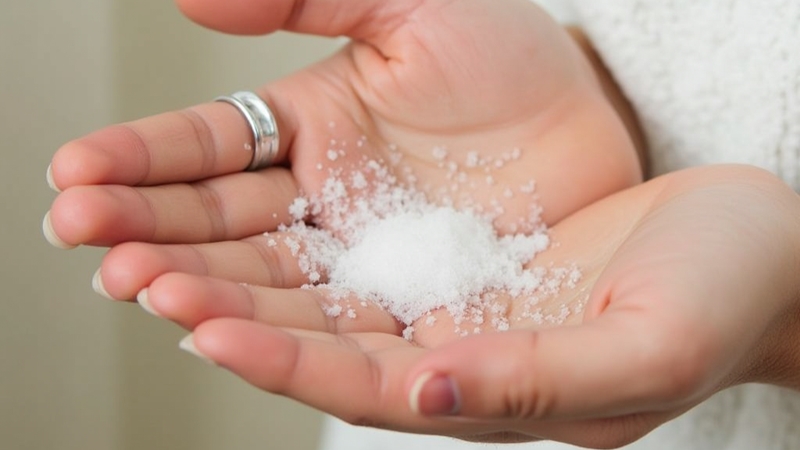
When soap and water aren’t available, use a hand disinfectant like an alcohol-based hand sanitizer.
Step 1: Use Enough Product
Squeeze enough sanitizer to cover all parts of your hands.
Step 2: Rub All Areas
Rub your hands together, covering the front and back, between fingers, and under nails.
Step 3: Let It Dry
Keep rubbing until your hands are completely dry. Don’t wipe it off or use a towel, as that can remove the disinfectant before it works.
Important Tip:
Make sure your sanitizer contains at least 60% alcohol. Anything lower may not disinfect your hands properly.
Choosing the Right Hand Disinfectant
Not all hand sanitizers are equal. Here are a few tips to pick the right one:
- Alcohol-based: It should contain at least 60% ethanol or 70% isopropyl alcohol.
- Trusted brands: Use products from well-known and reliable manufacturers.
- Fragrance-free or mild: Some strong fragrances may irritate sensitive skin.
- Moisturizing: If your skin dries out easily, look for sanitizers with aloe vera or glycerin to keep your hands soft.
Avoid homemade hand sanitizers unless you follow a trusted recipe approved by health experts. Poorly made mixtures may not effectively disinfect and can even be harmful.
How Often Should You Disinfect?
You don’t need to disinfect every 5 minutes, but you should do it regularly—especially:
- After touching public surfaces
- Before touching your face (mouth, nose, eyes)
- Before handling food or feeding children
- After returning home from outside
Keeping a small bottle of hand disinfectant in your bag or car can make it easy to stay protected throughout the day.
Disinfecting vs. Washing – Which is Better?
It depends on the situation.
- Soap and water are best when your hands are visibly dirty or greasy.
- Disinfectants are great when you don’t have access to water, or when you want to quickly kill germs.
In an ideal world, you would wash your hands regularly and use disinfectants when you’re out and about.
Keeping Your Hands Healthy
Frequent washing and disinfecting can sometimes dry out your skin. Here’s how to protect your hands:
- Moisturize regularly with hand cream
- Use mild soaps and alcohol-based sanitizers with added moisturizers
- Avoid hot water—warm or cool is enough
- Don’t overdo it—disinfect when necessary, not every few minutes
Healthy skin is your first defense against infection. Take care of it while keeping it clean.
Conclusion
Learning how to properly clean and disinfect your hands is one of the simplest yet most powerful ways to protect yourself and those around you. Whether you’re at home or out in public, make it a habit to clean your hands regularly and disinfect when needed.
By following the right steps and using quality disinfectant products, you’ll reduce your risk of illness and help prevent the spread of germs.
You can easily find more of our blogs on Sanixway blog section!